- 22/04/2022
- admin
- 0
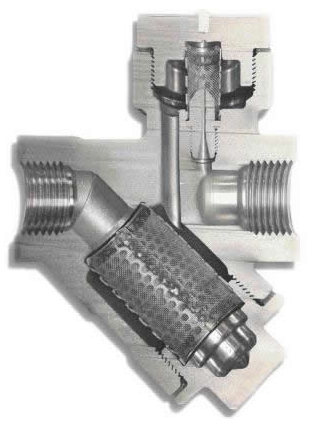
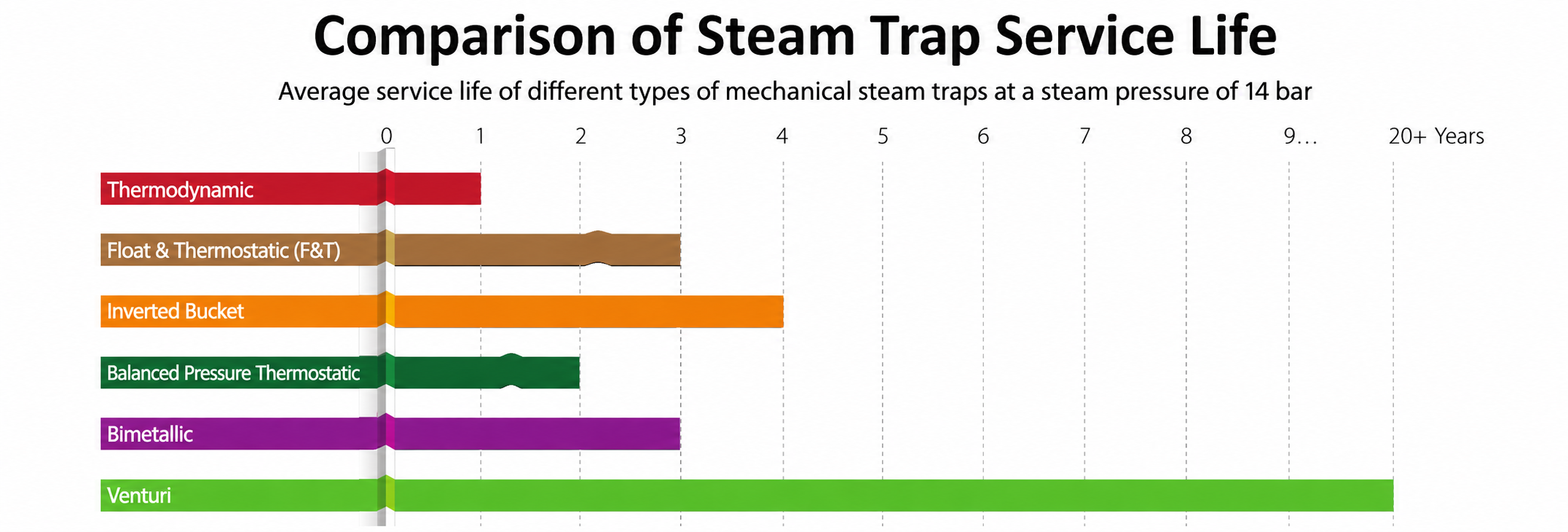
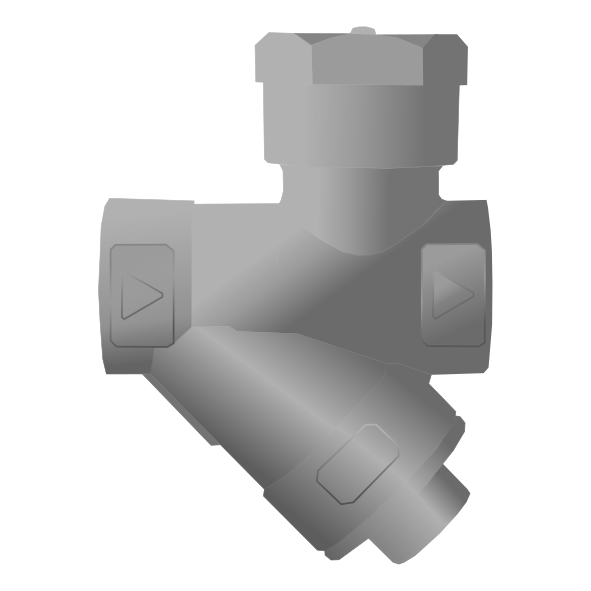
We are official distributors of Delta Steam Systems, a company that produces Venturi steam traps. The main advantage of these steam traps compared to conventional ones is the 20-year warranty. In this way, the client can dedicate himself completely to his primary activity – production of their products since there is no concern regarding maintaining steam traps. The picture on the left shows the cross section of Delta Venturi steam trap. Viewing the cross section, it becomes clear that there is nothing to be damaged, primarily because there are no moving parts.
It is common for conventional steam trap that from the moment of failure to its replacement the cost of wasted heat energy is higher than value of steam trap itself.
Official statistics show that in steam systems that have not been maintained 3-5 years, it is expected that 15-30% of the installed steam traps are defective. There are two types of steam trap failures. One is to be blocked in the closed position. This failure is generally easy to detect, because it is not possible to work at full capacity. Another possible failure is that the steam trap remains blocked in the open or partially open position. Mostly in those cases work is possible, so this type of failure is much harder to detect and as a result „live“ steam is released into the atmosphere during production, which directly represents a loss of energy. Everyone who has experience in maintaining steam systems and those who are aware of the losses that can be caused by steam trap leaking steam, they know very well how demanding it is to properly maintain steam traps.
Reduced CO2 emissions. Less steam wastage directly leads to a reduction in fuel consumption, which further causes a reduction in CO2 gas emissions.
Preventive maintenance of steam traps is very challenging, in terms of aligning available professional staff and equipment occupancy. There are expensive systems for online monitoring of functioning steam traps but in many industries, even when the failure of one of the steam traps is determined, it is difficult to find a replacement term.
According to the manufacturers experience and depending on condition of the existing steam traps, savings of 3% up to 25% on steam consumption are achieved by switching to Delta steam trap. 3% savings were achieved in new production facilities where all steam traps were completely replaced without additional analysis of the proper work of existing steam traps. In production plants without a system for monitoring the steam traps, savings on steam consumption were achieved up to 25%, clearly reason for this can be found in a large number of existing steam traps that were defective at the time of replacement.
For proper functioning of the system, it is important that the steam traps are adequately selected and it is something that in relation to mechanical steam traps reduces the possibility of universal use on different places. Basically, sizing should be done for each place, which is our responsibility and therefore the customer does not have to worry about that.
Delta steam traps are made of stainless steel and only activity on them is cleaning filter occasionally.
Many large companies are switching to Venturi steam traps because of the significant savings and the payback period of the investment. Depending on the conditions of the existing steam traps and the price of energy it is believed in general that the payback period is less than three years.