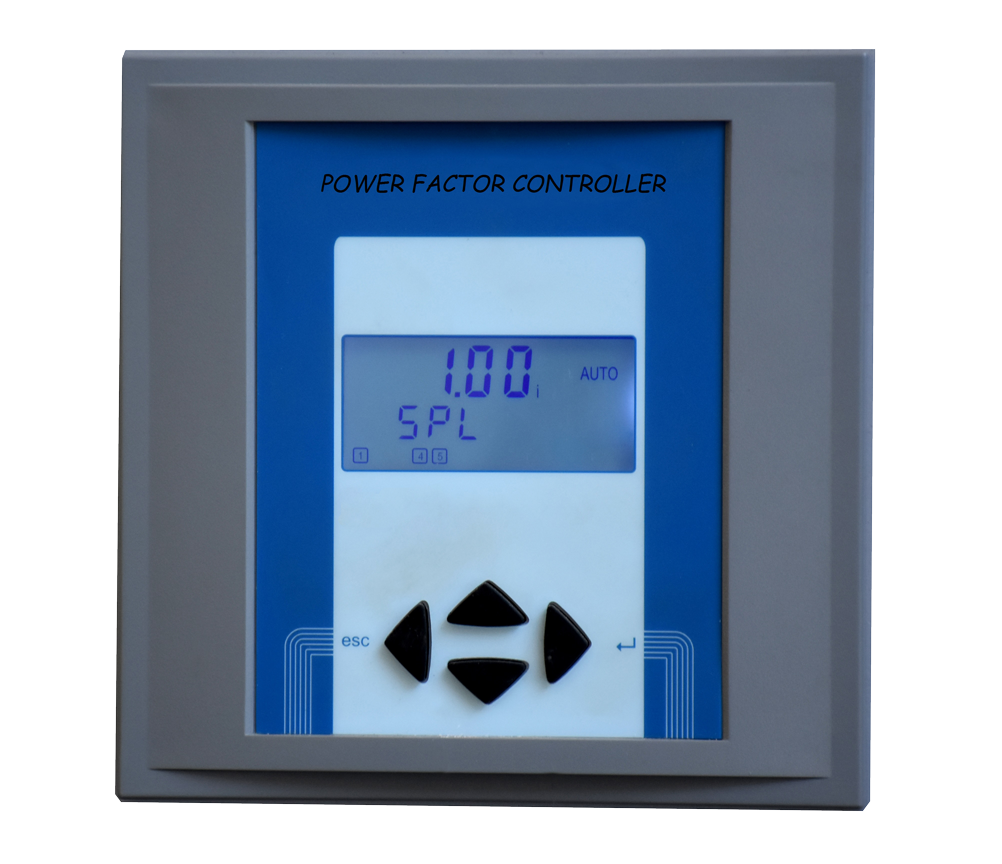
The cost for reactive electrical energy should be negligible. Power factor (cosϕ)should be above 0.95, and in practice with good compensation it is possible to achieve even 0.99. If this is not the case, it is necessary to check the selection and proper operation of the system for compensation of reactive energy.
2. Suitably selected electrical–motors
Electrical motors and gear boxes that have been chosen should not be over dimensioned, since oversized motors consume more electrical energy then needed. Beside this, while purchasing motors, it is necessary to take into consideration also their efficiency (IE1, IE2, IE3…) and to choose highly efficient motors, meaning gear-box assemblies. By proper dimensioning and selection of highly efficient motors, average saving of electrical energy is app. 20%. For highly efficient motors and gearboxes the costs of maintenance are lower, which should also be taken into account during the selection process.
3. VSD (variable speed drive) – speed regulation of motors
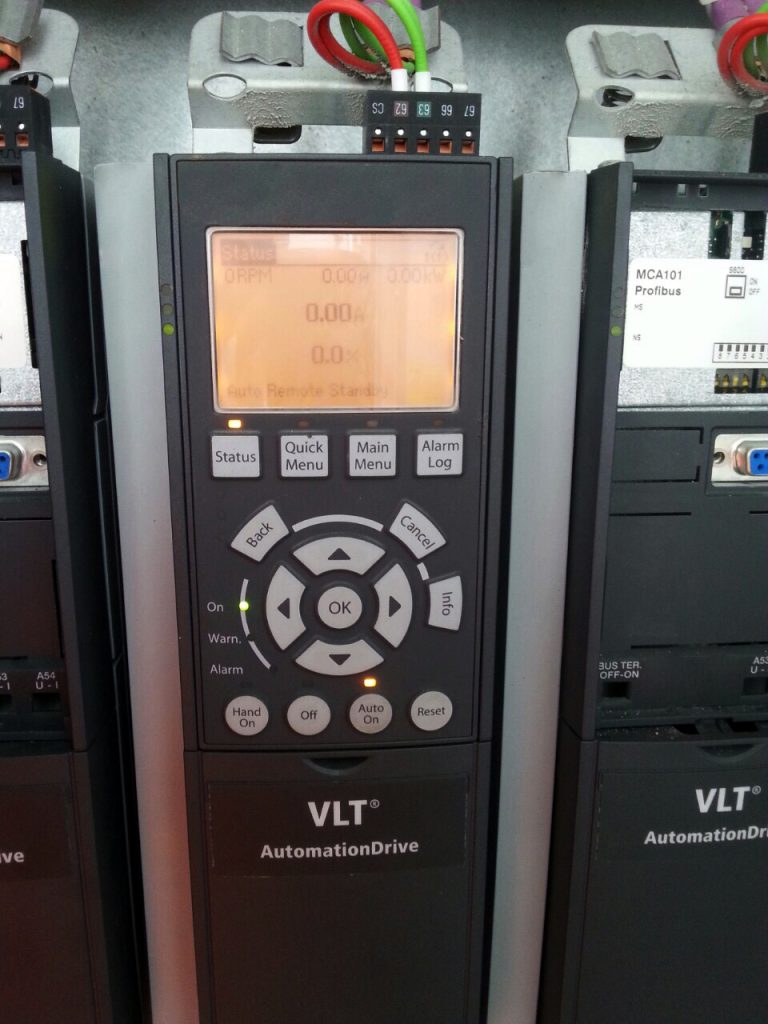
Wherever there is no continuous load it is necessary to use speed control of the electrical motor. In the industries for this purpose, most often are used frequency inverters. It is not unusual to find in the industries for example, a pump that is operating on a continuous nominal speed, and the flow throttling is done via valves. This type of regulation is not cost effective and also flow throttling over regulation valves represents loss of energy. Situations like this should be avoided. In this very example the flow should be regulated by the speed change on the pump motor. Very often in the industries the biggest motors are located on the cooling compressors and air compressors. Frequently these motors operate on nominal speed, while the flow regulation is done by bypassing the compressed area or by operating in relief mode. These are losses which should be prevented by developing systems of group regulation of machines which are working in parallel regime, where the primary / lead machine is frequently regulated. The goal is that all on/off machines are maximally loaded, and that the lead machine follows the work load through speed regulation. On large electrical motors special attention must be paid regarding the consequences of speed reduction that can influence the cooling of motors as also to resonant frequency that should be isolated.
4. Compressed air plant
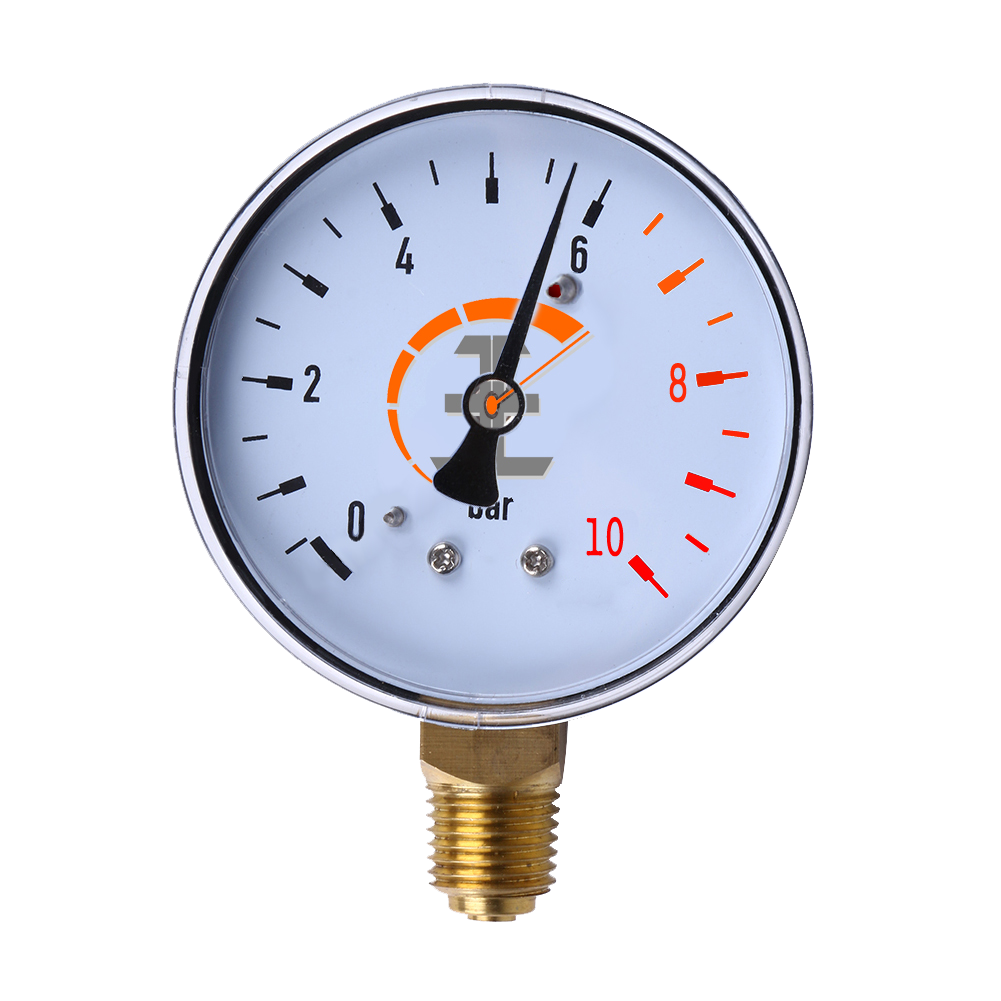
Beside the described compressor for the compressed air with speed regulation it is necessary to minimize compressed air leakage, but also to avoid compressed air actuators wherever it is possible(for example avoid pneumatic pumps). Additionally, the compressed air pressure should be lowered to the technological minimum. Mostly, for the actuators of pneumatic cylinders and valves, pressure of 6 or even 5 bars above the atmospheric pressure is quite enough. The compressed air network is often kept on a higher pressure than the mentioned one, since some actuators need higher pressure, and also because of pressure drop in the compressed air network to the remote consumers, but sometimes without any particular reasons as well, since people are simply not familiar with potential energy savings. Decreasing the compressed air pressure for 1 bar, depending on the grid can bring savings from 5 up to 10 % in the compressed air plant.
5. Cooling plant
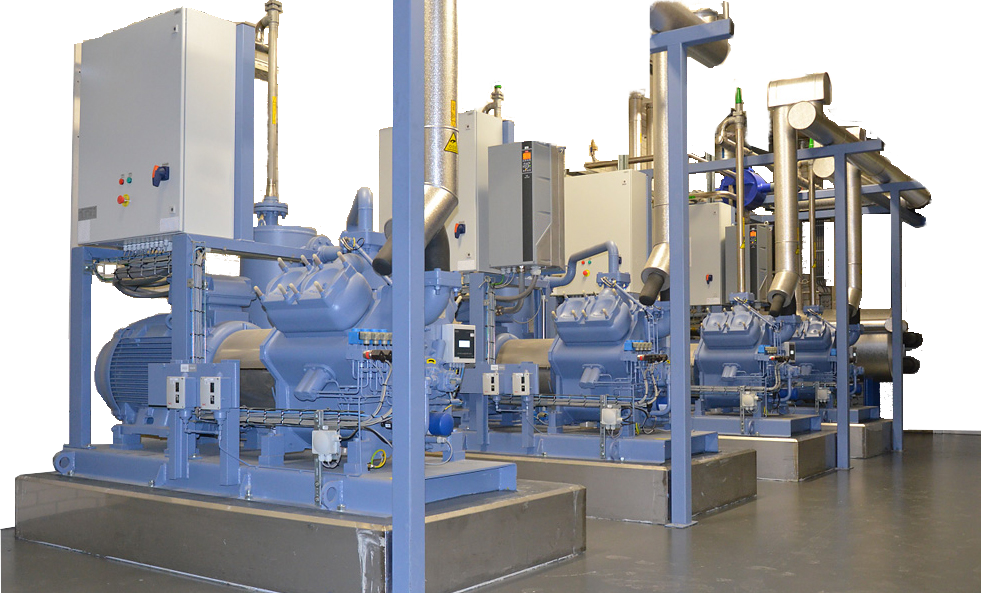
Beside the described compressor with variable speed, it is possible to improve the efficiency of the cooling plant by implementation of series of additional measures. The pressure (temperature) of the medium in the primary cooling circle at the suction side of the compressor should be increased up to the technological minimum. Condensers in the primary cooling circle should be properly dimensioned and the condenser surfaces should be kept clean, in order for the condensation pressure to be as low as possible. The very cooling medium in the primary cooling circle must be clean, i.e. it should not be“polluted” by non-condensing gases. Heat recovery from “hot gas” in the primary cooling circle during condensation should be considered as well. On the consumers of cooling energy, the surfaces for heat exchange must be cleaned.
6. Visualization and inspection of large consumer’s efficiency
It is necessary to implement a system for control of functioning and electrical energy consumption of large consumers. Advisable is that the efficiency of large consumers is being measured continuously, and the inspection should be done at least once per day with the automated control system. Depending on the complexity of the systems, measuring of electrical energy consumption of large consumers per the product unit may be enough. In more complexed systems, as the mentioned compressed air system, the efficiency can be measured by electrical energy consumption of the compressed air plant per the compressed air unit of volume.
7. Lighting
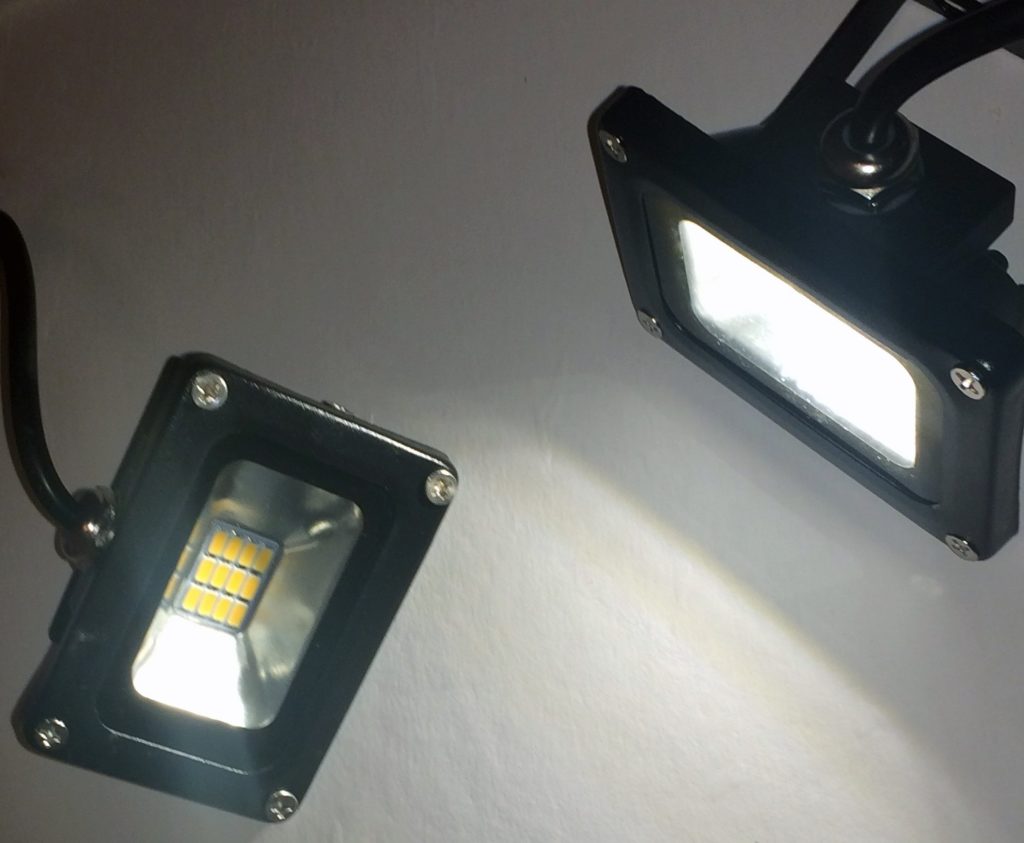
The efficiency of incandescent, mercury and metal halide light bulbs is very low. These types of light bulbs convert most of the invested energy into heat, while only a small amount of energy is used for lighting. Nowadays, most efficient lighting is LED. LED lighting is more efficient than previously mentioned types 5 to as much as 8 times. While the price for electrical energy is continuously increasing, the price of LED lighting is decreasing. Understandably, switching to LED lighting is only logical thing to do. Advice is to develop a plan for replacement of lighting and if there are premises in which the temperature should be maintained on a lower level, the lighting should be first reconstructed with LED technology in them.